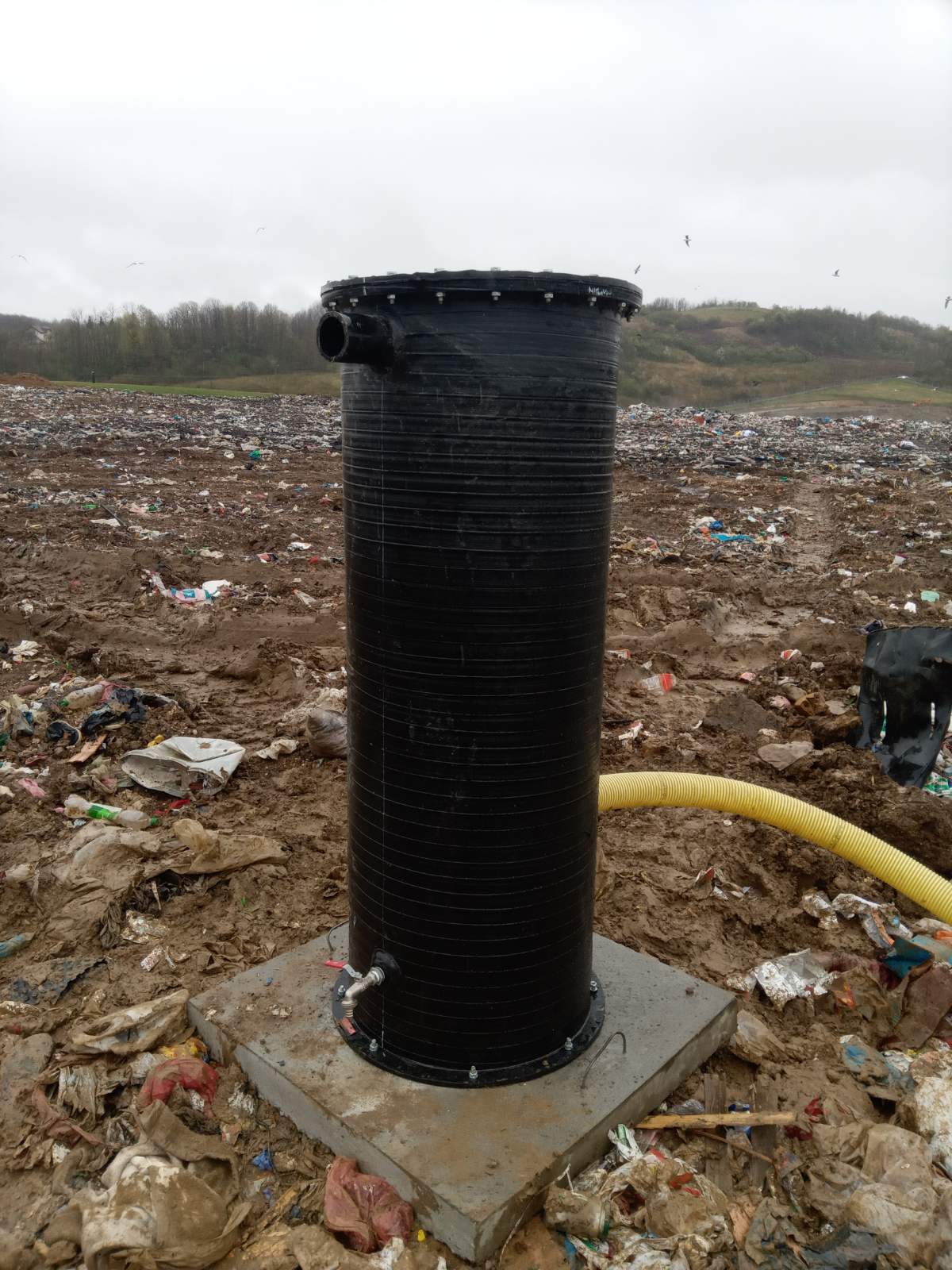
A biological filter approach
With controlled gas flow, biological treatment is connected to a suitable filter system, ventilation and maintenance plan.
ENVIRONMENTAL SYSTEMS / WASTE GAS
Connect a biological approach with the point of generation, extraction method and the space through which unpleasant odour spreads.
Once the emission point and airflow are understood, ambient application can be separated from a solution connected to ventilation or filtration.
A clearly mapped source and odour pathway
An ambient or filter approach selected for the system
A treatment routine connected to ventilation and maintenance
With controlled gas flow, biological treatment is connected to a suitable filter system, ventilation and maintenance plan.
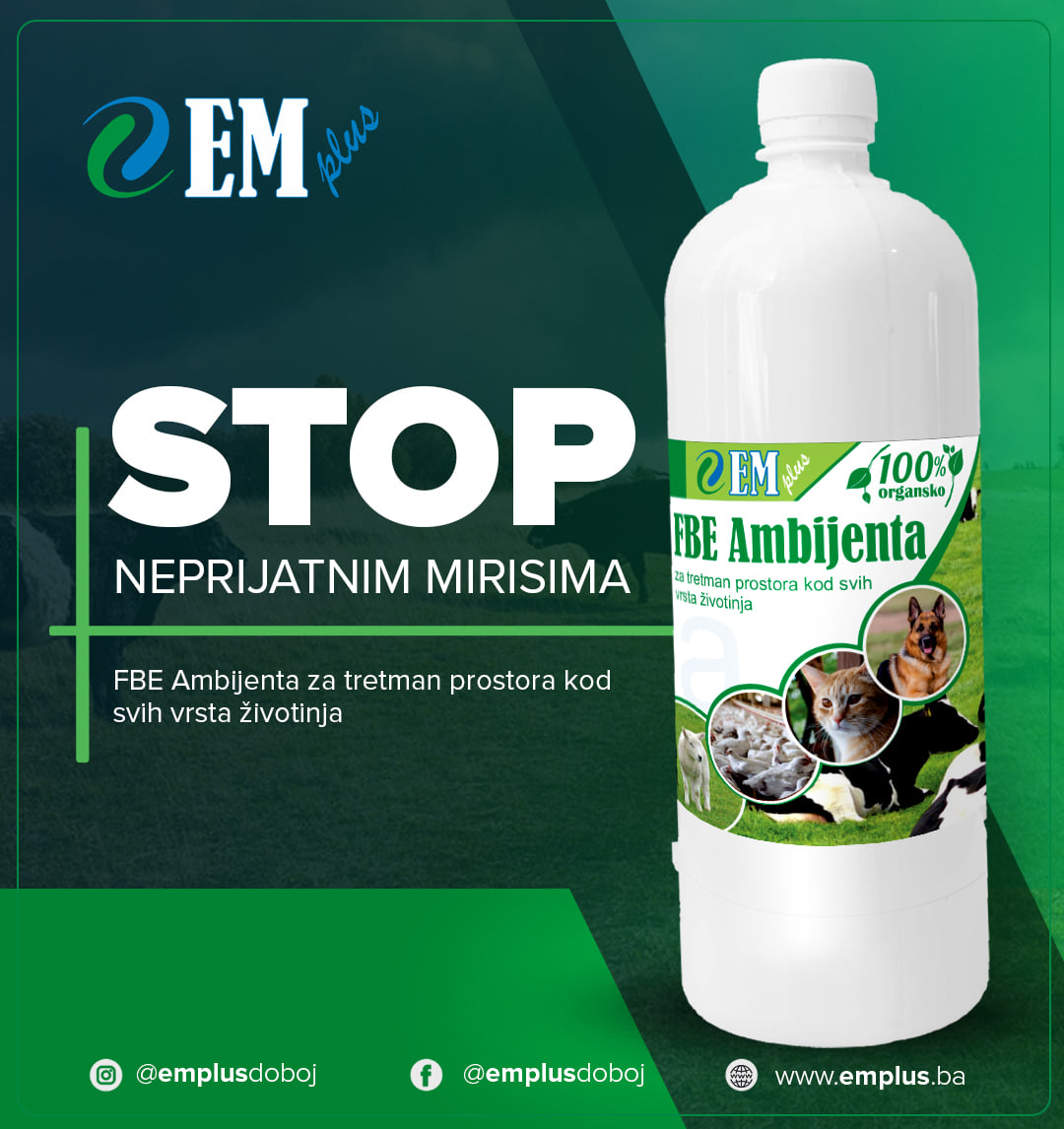
In working, municipal or livestock spaces, application is directed at the source and dispersion pattern. FBE is intended for the ambience of animal housing.
Odour is connected to the process that generates it. The eMB range may be relevant when the source involves waste, sludge or wastewater.
Application
Waste gases are handled at two levels: filtering the gas before it is released, and treating the material that creates the odour.
The filter model and preparation quantities are set per site, in consultation with the EM Plus team.
A new generation of waste gas filtration, by absorption made possible by components of the EM Plus biomass.
At landfills and recycling plants, waste is treated with eMB preparations so that breakdown shifts to fermentation and fewer odorous gases form. Treatment is done in the morning or evening, with sprayers or an atomiser, in daily, weekly or monthly cycles depending on the season.
FBE covers animal-housing ambience, while eMB covers sources connected to waste and wastewater — send the source details for guidance.
Odour is spreading but the source is unclear? Send a process and ventilation sketch.
Mark where the odour or gas originates, when it is strongest and where it is noticed.
Determine whether the target is a space or controlled flow through ventilation and a filter system.
Connect application with process operation, ventilation, maintenance and site observations.
FAQ
No. The source, space, airflow, ventilation and operating pattern determine whether an ambient or filter approach is more appropriate.
When gas is collected and conveyed through a system in which a biological process can have a defined role.
FBE is intended for ambient treatment in spaces occupied by animals.
Send the source and process description, where the odour occurs, ventilation, operating pattern and available airflow data.
Describe the process, space and airflow so we can identify the relevant biological-treatment area.
Related areas