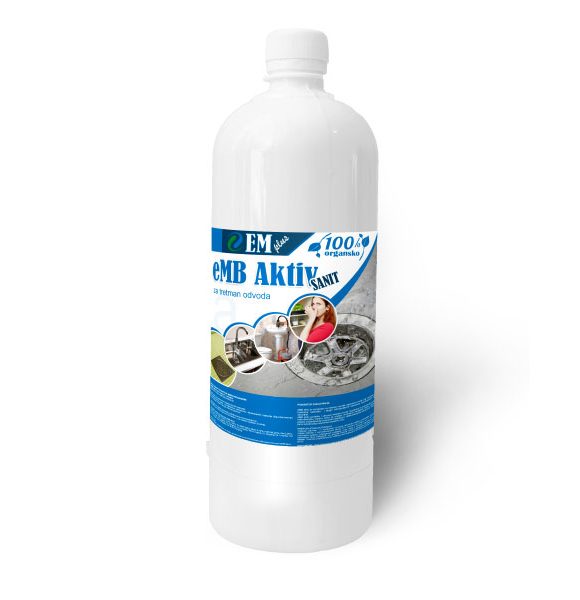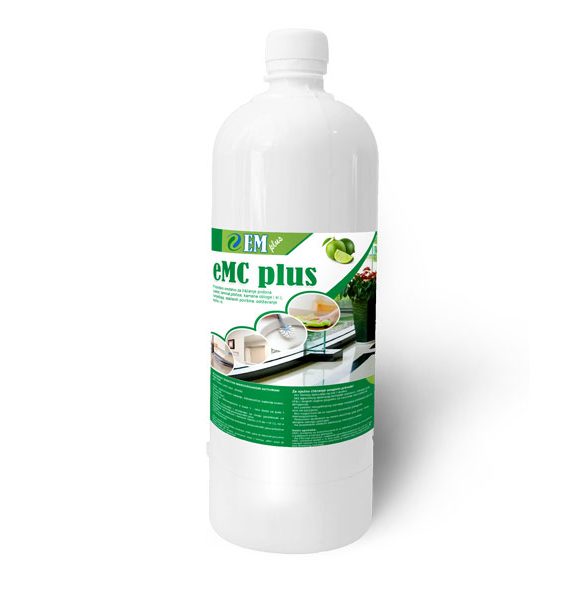
More organised drains and septic systems
eMB is intended for drains, separators, septic tanks and sewer infrastructure. Application is fitted to the facility’s pattern of use.

HYGIENE / SANITATION
From everyday cleaning to drains, separators, septic tanks and municipal equipment, with products intended for each application point.
Choose eMC for cleaning spaces, eMB for drains and septic systems, and build a regular routine around loading in larger facilities.
Clear product selection for each application point
A more consistent routine for spaces and drainage
A more organised plan for bins, containers and vehicles
eMB is intended for drains, separators, septic tanks and sewer infrastructure. Application is fitted to the facility’s pattern of use.
eMC is intended for cleaning floors, furniture, glass and carpets, making it easy to assign by zone in a home or facility.
Bins, containers and transport vehicles are connected to a schedule for washing, treatment and staff responsibility.
Application
Hygiene with beneficial microorganisms does not sterilise a space; it establishes dominant beneficial cultures that crowd out the causes of odour and disease. That is why regular use matters.
eMB and eMC preparations contain class 1 microorganisms and are GMO-free.
Treat drains in the evening and avoid hot water straight after treatment.
Treat waste bins and municipal vehicles after each emptying and washing, using a motorised or hand sprayer, to remove odours, reduce insects and prevent spreading contamination during transport.
Kennels, cages, cattle sheds and poultry houses — animals and feed do not need to be moved.
Probiotic cleaning without rinsing.
eMC is for surfaces and spaces, while eMB is for drains, separators and septic systems — browse products or send your facility details.
EM Plus product
From 13,95 KM 2 packages
View product ↗Drain odour or a complex facility routine? Tell us where the problem starts.
Separate surfaces, drains, separators, septic systems and municipal equipment by how they are used.
Match eMC or eMB to each zone and schedule use according to the label and work routine.
Include treatment in regular cleaning and note odour, slow drains or changes in loading.
FAQ
eMC is intended for cleaning surfaces and spaces, while the eMB range is intended for drains, separators, septic tanks and sewer systems.
Unpleasant-odour treatment in drains is one of the stated eMB applications. Use should match the facility and product instructions.
No. Products are integrated into regular hygiene and maintenance routines according to their purpose.
Share the number of units, washing schedule, loading type, available equipment and operating pattern.
Browse eMC and eMB for household use, or send the space and work-routine details for a business or municipal system.
Related areas